
Table of Contents
Just Imagine
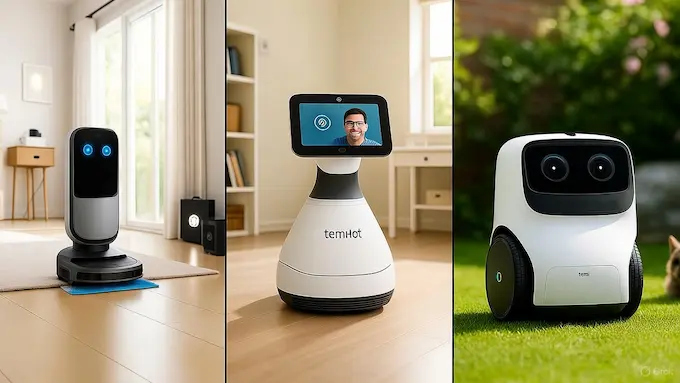
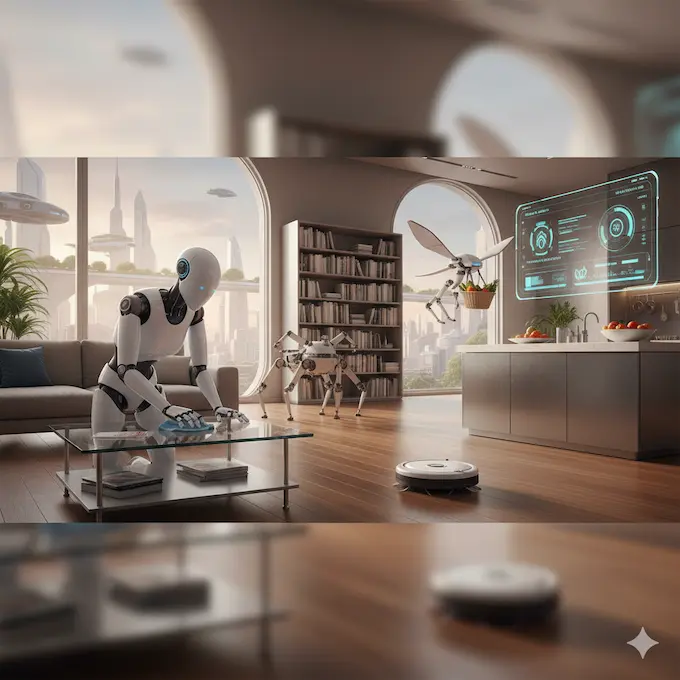
Picture your living room in 2025. A robot rolls by, not just vacuuming but patrolling your hallway at night, checking in on your dog while you’re at work, reminding you about a doctor’s appointment, and maybe even carrying a drink to your grandfather. What once looked like science fiction is now something you can order online and set up in a weekend.
The era of the best home assistant robots has arrived. These machines are no longer toys or novelties. They’re mobile, intelligent, and surprisingly good at becoming part of your daily life. Some act as security guards, others as companions, and a few are edging toward being real personal assistants with personalities.
This guide walks you through what home assistant robots are, reviews the leading models of 2025, compares them head-to-head, and helps you decide whether one deserves a spot in your smart home.
1. What Exactly are A Home Assistant Robots?
Before jumping into reviews, let’s get clear on definitions. A home assistant robots isn’t just a fancy smart speaker on wheels. It’s a combination of mobility, intelligence, and awareness that sets it apart. Here are the defining traits:
- Autonomous Mobility: A real assistant robot can navigate your home without you steering it. It maps your layout, avoids obstacles, and learns shortcuts.
- AI & Interaction: These robots respond to voice commands, recognize faces, and hold contextual conversations. They’re built to interact, not just execute.
- Environmental Awareness: With LIDAR, SLAM algorithms, and cameras, they don’t stumble blindly. They know where walls, furniture, and sometimes even your pets are.
- Task Execution: The modern personal robot assistant can patrol, make video calls on the move, deliver small objects, and monitor your home for unusual activity.
What they’re not:
- They’re not stationary smart speakers like the Echo Dot or Google Nest Hub. Those can talk but can’t move.
- They’re not single task robots like a Roomba. Cleaning bots are great, but they don’t qualify as a home assistant robots because they lack the interactive, multi-purpose design.
With that framework in mind, let’s look at the current leaders shaping the market in 2025.
2. The Best Home Assistant Robots: In-Depth Reviews
2.1 Amazon Astro – Alexa On Wheels
Amazon’s Astro is arguably the boldest consumer robot yet. Imagine an Echo Show that decided it was tired of sitting still and learned to cruise around your house. That’s Astro.
Key Features:
- Intelligent motion with a periscope camera that extends upward to peek over counters.
- Integration with Ring Protect Pro and Alexa Guard for home security.
- Mobile video calls that follow you, so you’re always in frame.
- Cargo bay for carrying small items like a snack or remote control.
Pros:
- Deep Alexa integration, meaning it feels familiar from day one.
- Strong home monitoring features, especially for security-conscious households.
- The periscope camera is surprisingly practical for checking kitchen counters or high shelves.
Cons:
- Expensive, and still technically by invitation-only for many regions.
- Privacy concerns since it’s essentially a mobile camera connected to Amazon’s cloud.
- It doesn’t carry much, so don’t expect it to serve dinner.
Best For:
Astro is ideal for households that are already immersed in the Alexa ecosystem. If your lights, locks, and thermostats run on Alexa, Astro adds mobility and a touch of futuristic security.
2.2 temi Robot – The Ultimate Communication & Telepresence Hub
If Astro is about smart home integration, the temi robot is about presence. Designed as a telepresence and communication hub, temi shines where human connection matters most.
Key Features:
- Large screen paired with Harman Kardon speakers for rich video calls and music.
- Autonomous navigation with a “follow me” mode that makes it feel like a loyal sidekick.
- Open SDK and third-party app support for developers.
- Excellent video call quality, making it a favorite in remote caregiving and professional settings.
Pros:
- Stellar sound and video quality.
- Perfect for connecting families across distances, particularly useful in elderly care.
- Developer-friendly platform for experimenting with new features.
Cons:
- Price tag is among the highest in this category.
- Doesn’t match Astro’s integration with home automation.
Best For:
Families who want to stay in touch with older relatives, professionals needing premium telepresence, or users who see communication as the primary role of a personal robot assistant.
2.3 Enabot EBO X – The Guardian For Your Family And Pets
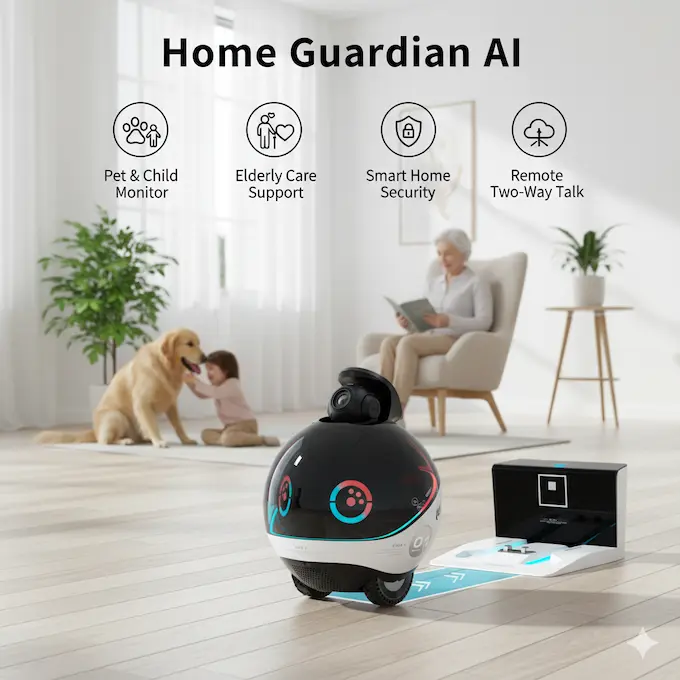
The Enabot EBO X may not carry trays or run video calls like temi, but what it does, it does exceptionally well: security and monitoring. With its friendly, approachable design, it feels less like a surveillance drone and more like a household companion.
Key Features:
- 4K stabilized gimbal camera with night vision.
- AI-powered safety detection: fall detection for seniors, crying detection for babies, and pet tracking.
- Two-way audio plus Alexa integration.
- Auto-docking for recharging without your help.
Pros:
- Excellent camera quality for both day and night.
- Specialized safety features tailored to families and pet owners.
- More affordable than Astro or temi.
Cons:
- Limited scope, since it’s not designed for carrying objects or acting as a general-purpose assistant.
- Smaller form factor means it can’t display video calls on a screen.
Best For:
Pet owners, new parents, or anyone who wants a smart security guard on wheels without breaking the bank.
3. Comparison Table: Astro vs. temi vs. EBO X
Comparison of the Best Home Assistant Robots in 2025
| Feature | Amazon Astro | temi Robot | Enabot EBO X |
|---|---|---|---|
| Primary Use | Home Monitoring, Alexa Hub | Telepresence, Communication | Security, Family & Pet Monitoring |
| Price Range | High ($$$$) | Very High ($$$$$) | Medium ($$$) |
| Screen | Yes, 10-inch | Yes, 10.1-inch | No |
| Voice Assistant | Alexa | Alexa + temi AI | Alexa |
| Camera Quality | 5MP + 12MP Periscope | 13MP Camera | 4K Stabilized Gimbal |
| Carrying Capacity | Yes (small items) | Yes (tray accessory) | No |
| Best For… | Alexa Power Users | Remote Care & Communication | Affordable Mobile Security |
| Category Note | All three models stand among the best home assistant robots of 2025, each excelling in a different role, from communication to security. | ||
4. Key Factors To Consider Before You Buy
When evaluating the best home assistant robots, it helps to think less about the tech specs and more about your daily life. Ask yourself:
- What’s My Primary Use Case?
Do you need a home security robot, a robot for elderly care, or the best home robot for monitoring pets? Your answer determines whether Astro, temi, or EBO X is the right fit. - Which Ecosystem Do I Use?
If your house runs on Alexa, Astro makes sense. If you’re in the Google Home camp, check how well the robot integrates. Some models are friendlier with certain platforms. - How Important Is Privacy?
A roaming camera and microphone aren’t for everyone. Look for physical camera shutters and clear privacy policies. - What’s My Home Layout Like?
Large open spaces are easy for robots to navigate. Narrow hallways, thick carpets, or multiple floors complicate things. Strong Wi-Fi throughout your home is essential. - What’s My Budget?
The cost of a personal home assistant robot ranges from hundreds to several thousand dollars. The question isn’t just affordability but long-term value. Will you use it every day, or will it become a rolling paperweight?
5. The Future Of Home assistant Robots: What’s Next?
Today’s robots can navigate, monitor, and entertain. Tomorrow’s will manipulate. The holy grail is a robot with safe, affordable arms that can open doors, carry groceries, or help a senior out of a chair.
We’re also seeing progress in AI companion robots that not only recognize your face but detect mood, tone, and daily habits. Imagine a home robot that gently nudges you to take a walk if you’ve been sedentary too long, or suggests a recipe based on what’s in your fridge.
And integration will deepen. Expect tighter links between home robots and platforms like Alexa, Google Home, or Apple’s HomeKit. The question isn’t “Will they integrate?” but “How seamlessly will they anticipate and act on your needs?”
6. Conclusion: Are Home Assistant Robots Right For You In 2025?
The truth is, there’s no single answer to what is the best personal robot for home use in 2025. It depends entirely on what you want from it.
- If you’re all-in on Alexa and want a futuristic security guard plus a moving assistant, Amazon Astro is your pick.
- If connecting with loved ones and crystal-clear communication top your list, the temi robot stands apart.
- If you want a mobile guardian for pets, children, or elderly parents without spending a fortune, the Enabot EBO X delivers impressive value.
So, are home assistant robots worth the money? If you value peace of mind, smarter connectivity, and a taste of the future, then yes. The cost is high, but so was the first smartphone, and look how that turned out.
Which one fits your home and vision of the future? That’s the real question.
Call To Action: Ready to choose your companion? Explore the models we’ve reviewed, compare them against your needs, and take the first step toward living with your own intelligent home assistant robot.
Which robot will you choose? The decision is yours.
Quick Reference: Home Assistant Robots
Best Overall Smart Home Integration: Amazon Astro
Best for Communication: temi Robot
Best Value for Security: Enabot EBO X
Best for Education: NAO Robot or LEGO Mindstorms
Best Companion Robot: Sony Aibo
Best for Elderly Care: ElliQ or temi Robot
Q: Are home assistant robots worth the money?
It depends on your specific needs and circumstances. If you value peace of mind through enhanced security, want to stay connected with elderly relatives, or need help monitoring pets and children while working, then yes the investment can be worthwhile. However, if you’re looking for a robot that does housework, cleans, or handles complex physical tasks, current consumer robots will disappoint. The technology is impressive but specialized.
Q: Can these robots work without internet?
Most home assistant robots require internet connectivity for their AI features, voice assistants, and cloud processing. Some basic functions may work offline (like manual driving via app), but autonomous navigation, voice commands, and smart features typically need Wi-Fi.
Q: Are they safe around children and pets?
Generally yes. Modern home robots have obstacle detection, gentle bumpers, and safety features to avoid collisions. However, supervision is recommended initially. Some pets may be frightened or aggressive toward robots, while very young children might climb on them or block sensors.
Q: How difficult are they to set up?
Setup varies by model but generally takes 30-60 minutes. You’ll need to download an app, connect to Wi-Fi, and let the robot map your home on its first run. Most manufacturers provide guided setup processes and video tutorials
Q: What happens if the company goes out of business?
This is a legitimate concern in the emerging robotics market. Look for robots from established companies (Amazon, Sony) or those with active third-party developer communities. Some robots may continue functioning with reduced features if cloud services shut down, while others might become unusable.



